
Overview
ChatGPT is OpenAI’s multimodal AI assistant for conversation, research, writing, coding, analysis, images and productivity.
What is ChatGPT?
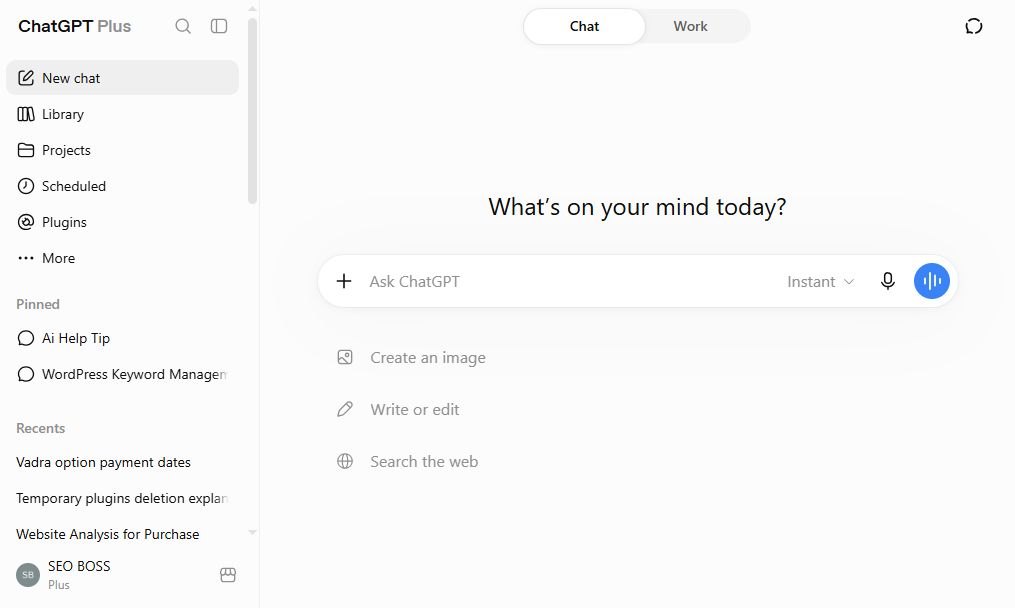
ChatGPT is OpenAI’s conversational AI assistant for writing, learning, research, analysis, coding, image work and everyday problem-solving. It accepts natural-language instructions and can work with text, files and images, subject to the features and limits available on a user’s plan.
Key features
- Natural-language conversations and follow-up questions
- Web search with source links for current information
- File uploads, data analysis and visual understanding on eligible plans
- Image generation and voice interaction with plan-based limits
- Projects, memory and custom workflows where available
How ChatGPT works
Users enter a prompt, add relevant context or upload supported files, and review the generated response. Better results normally come from a clear goal, useful background, constraints and an explicit output format. Important facts, calculations and professional advice should still be independently checked.
Who should use ChatGPT?
ChatGPT can help students, writers, researchers, developers, marketers, small businesses and general users. It is most useful as an assistant that accelerates drafting and exploration—not as an unquestioned source of truth.
Pricing and access
OpenAI offers Free and paid ChatGPT plans. Features, model access, usage limits and regional availability change over time, so visitors should compare the current plans on the official pricing page before subscribing.
Advantages and limitations
Its broad capabilities, accessible interface and multimodal tools make it flexible. Limitations include plausible but incorrect answers, changing usage limits and the need to protect confidential information. Human review remains essential.
Compare ChatGPT with Google Gemini, Claude and Perplexity.
Key features
- Conversational assistance
- Web search with sources
- File and data analysis
- Image and voice capabilities
- Projects and memory where available
Best for
Writing, research, study, coding, analysis and general productivity
Use cases
- Drafting and editing
- Research and summarization
- Coding assistance
- Data analysis
- Brainstorming and planning
Pros
- Broad range of capabilities
- Easy conversational interface
- Multimodal inputs and outputs
- Free access tier
Considerations
- Responses can be inaccurate
- Limits vary by plan
- Confidential data needs care
- Important outputs require verification
Frequently asked questions
What is ChatGPT?
ChatGPT is OpenAI’s conversational AI assistant for creating, analyzing and discussing text, files, images and other supported content.
Is ChatGPT free?
Yes. OpenAI provides a Free plan, while paid plans offer different models, features and usage limits.
What can ChatGPT be used for?
Common uses include writing, study, research, brainstorming, coding, data analysis, translation and planning.
Does ChatGPT always provide correct answers?
No. It can produce convincing errors, so users should verify important facts, calculations and professional guidance.
Who is ChatGPT best for?
It suits individuals and teams that want a flexible AI assistant and are prepared to review its output responsibly.