XLOOKUP vs VLOOKUP: Key Differences, Examples, and Which One Is Better?
Finding one piece of information in a spreadsheet shouldn’t feel like searching for a needle in a digital haystack. Yet […]
Read article →Newest AI products are moving beyond simple chat. The most important releases now combine reasoning, multimodal input, tool use, coding, […]

Newest AI products are moving beyond simple chat. The most important releases now combine reasoning, multimodal input, tool use, coding, research, image generation and increasingly agentic workflows. This guide explains what “newest AI” means in 2026, which developments matter, how to compare fresh tools and how to avoid adopting technology only because it is new.
A new AI product can be a recently launched model, an upgraded assistant, a specialized application or a feature that changes how an existing platform works. The release date matters, but practical improvement matters more. A useful update should make a task faster, more accurate, easier to verify or possible for a wider group of users.
Major AI companies now ship frequent model and product updates. Google’s 2026 Gemini announcements emphasize faster models and agentic workflows, while Anthropic continues to expand Claude for coding and professional work. This pace means “latest” is temporary. Readers should always verify availability, pricing and limits on the official product page before committing to a workflow.

The biggest shift is from answering questions to completing multi-step tasks. An agent may interpret a goal, create a plan, use connected tools, review intermediate results and return a finished output. This can help with research, coding, scheduling, data analysis and content production. Agentic systems still require supervision because a plausible plan can contain a wrong assumption.
New models increasingly work with text, images, audio, video and code in the same conversation. Multimodal AI can summarize a recorded meeting, inspect a chart, interpret a screenshot and draft a response using the combined context. The practical benefit is not novelty—it is reducing the number of separate applications needed for one task.

AI is becoming part of browsers, office suites, phones, creative applications and developer environments. This integration can be more useful than a separate chatbot because the assistant already understands the document, page or project in front of the user. Google Gemini, for example, connects with Google applications on eligible plans, while many coding assistants now work directly inside development tools.
Not every advance comes from a larger cloud model. Smaller models can run locally on laptops and phones, reduce latency and keep some information on the device. They are useful for offline assistance, private classification, transcription and embedded applications. Users should still check what data remains local and what is sent to a remote service.
The newest AI research products increasingly provide citations, source links, browsing and document analysis. Services such as Perplexity are designed around cited answers, while Claude and Gemini support deeper document and research workflows. Citations improve traceability, but users must open important sources and confirm that they support the claim.
Google Gemini is a broad AI assistant for writing, research, coding, planning, image work and conversations using multiple input types. Google’s current plans include a free tier and paid Google AI options with higher limits and additional services. The product is especially relevant to people already using Gmail, Docs, Drive, Android or other Google services. See our detailed Google Gemini profile for features, pricing context and considerations.
Do not select a tool from a launch headline alone. Test it against a real task and record what happens. A useful evaluation should cover:

Newer does not automatically mean safer or more accurate. AI can invent facts, misread context, expose confidential information through careless use or produce convincing synthetic media. Read the provider’s documentation, avoid entering sensitive data without authorization and keep a human review step for legal, medical, financial, security or publication decisions. Our deepfake AI guide explains additional verification steps for synthetic media.
Follow official release notes first, then use independent directories and reviews to compare products. Bookmark the AI Help Tip tools directory, check a product’s update history and revisit your chosen tools every few months. A stable tool that saves time is usually more valuable than repeatedly switching to every new launch.
The most meaningful newest AI developments in 2026 are agentic workflows, faster multimodal systems, embedded assistants, capable smaller models and better research tools. Choose products based on task fit, evidence, privacy and long-term cost. Experiment in a low-risk environment, verify important outputs and expand usage only after the tool proves useful.
Important developments include agentic assistants, faster multimodal models, AI integrated into everyday software, smaller on-device models and improved research systems with source support.
Start with the tool that matches a real task. Gemini is useful across Google-connected workflows, Claude supports writing and analysis, and Perplexity focuses on cited research. Compare limits and privacy before choosing.
Many offer free access with usage limits. Advanced models, higher limits, integrations, storage or video features commonly require a paid plan. Pricing can change, so verify it on the official page.
They can be useful but may produce errors. Verify important facts, calculations, citations and recommendations, especially for high-impact decisions.
Review them every few months or when pricing, privacy terms or core features change. Keep tools that deliver reliable value and remove ones that add cost without improving the workflow.
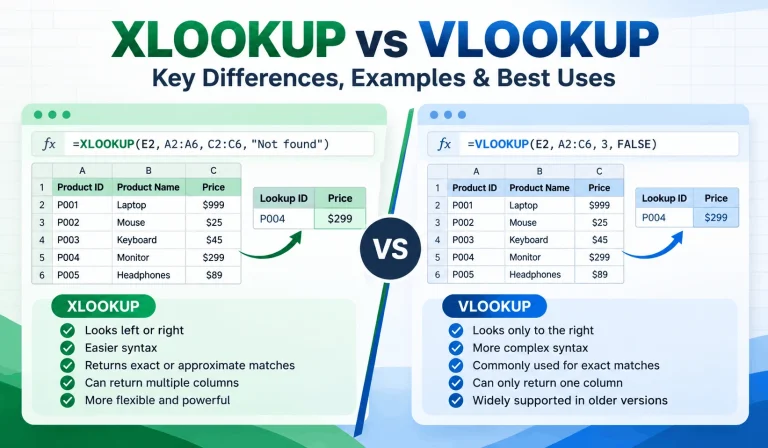
Finding one piece of information in a spreadsheet shouldn’t feel like searching for a needle in a digital haystack. Yet […]
Read article →
Ever spent 20 minutes searching for an AI conversation that took only two minutes to write? You’re not alone in […]
Read article →
Thinking about changing your hair color but worried you might regret it? We’ve all seen a gorgeous hair shade on […]
Read article →