
XLOOKUP vs VLOOKUP: Key Differences, Examples, and Which One Is Better?
Finding one piece of information in a spreadsheet shouldn’t feel like searching for a needle in a digital haystack. Yet […]
Read article →AI predictive marketing suites promise to turn customer and campaign data into smarter decisions. This guide explains how to review […]

AI predictive marketing suites promise to turn customer and campaign data into smarter decisions. This guide explains how to review a platform carefully before you commit budget, data, or team time.
An AI predictive marketing suite combines data analysis, forecasting, audience insights, and campaign measurement. Depending on the product, it may help a team estimate conversion likelihood, prioritize audiences, identify patterns, or test marketing actions. The important question is not whether a dashboard looks advanced; it is whether its predictions are useful, explainable, and safe for your workflow.

Start with the problem you want to solve. A platform should support a clear decision, such as which audience to test, which lead needs follow-up, or which campaign needs attention. Ask for a trial using a small, representative data set. Compare its recommendations with your existing reporting rather than assuming that an automated score is correct.
Useful review criteria include audience segmentation, attribution support, prediction confidence, alert controls, reporting exports, and permission settings. A good suite makes uncertainty visible. It should help a marketer investigate a result, not pressure the team into treating every prediction as a fact.

Marketing data can include customer identifiers, behavior signals, and commercial information. Review the vendor’s data-processing terms, retention controls, account permissions, and export options before connecting production systems. Keep a human approval step for consequential campaign changes, and involve the right privacy and security stakeholders.

Look for reviews that name the use case, data environment, team size, and measurement period. A generic star rating is less useful than a detailed account of onboarding, reporting reliability, support, and outcome measurement. Where independent review evidence is limited, run your own controlled pilot and document the results.
The strongest AI predictive marketing suite is the one that improves a defined decision without creating opaque automation. Prioritize transparent reporting, data controls, and a measurable pilot over feature count. For more discovery ideas, browse the latest AI tools on AI Help Tip.
It analyzes marketing data to help teams forecast outcomes, prioritize audiences, and evaluate campaign signals.
No. It can support decisions, but strategy, approvals, brand judgment, and data governance still require people.
Use a limited pilot, compare it with a baseline, define success metrics, and review recommendations with your team.
Confirm data quality, consent, integrations, access permissions, retention practices, and the ability to export or delete data.
No. Reviews are useful context, but a controlled trial in your own workflow is the better final check.
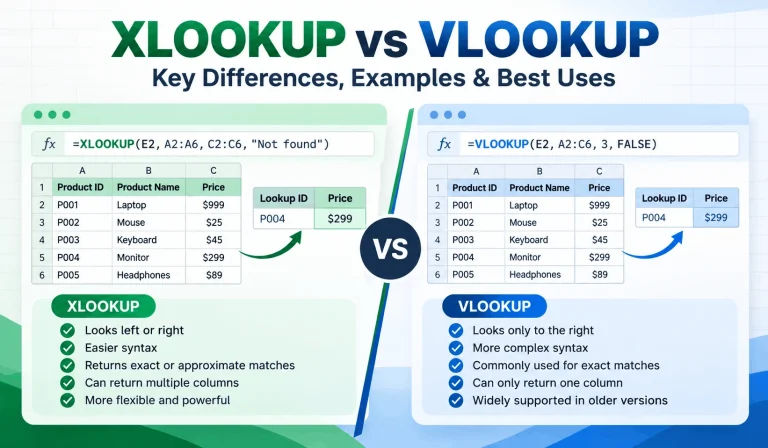
Finding one piece of information in a spreadsheet shouldn’t feel like searching for a needle in a digital haystack. Yet […]
Read article →
Ever spent 20 minutes searching for an AI conversation that took only two minutes to write? You’re not alone in […]
Read article →
Thinking about changing your hair color but worried you might regret it? We’ve all seen a gorgeous hair shade on […]
Read article →