
XLOOKUP vs VLOOKUP: Key Differences, Examples, and Which One Is Better?
Finding one piece of information in a spreadsheet shouldn’t feel like searching for a needle in a digital haystack. Yet […]
Read article →An AI directory helps you discover artificial-intelligence software by task, category, pricing model, or platform. That sounds simple, but a […]

An AI directory helps you discover artificial-intelligence software by task, category, pricing model, or platform. That sounds simple, but a useful directory does more than collect links: it reduces search time, explains what each product is for, and gives you enough context to build a shortlist without treating every listing as an endorsement.
An AI directory is an organized database of AI-powered applications and services. Most directories group products into categories such as writing, image generation, video, audio, coding, research, automation, marketing, and productivity. Better directories also offer keyword search, pricing filters, editorial notes, and direct links to official product pages.
The directory itself usually does not operate the listed products. It acts as a discovery layer between a user’s problem and the many vendors that might solve it. For that reason, availability, pricing, privacy terms, and capabilities should always be confirmed with the product owner.
Write down the result you need: transcribe interviews, summarize research, create product images, automate support replies, or generate code documentation. A clear job prevents you from being distracted by impressive features that do not improve your actual workflow.
Filter candidates by budget, device, team size, supported file types, integrations, privacy requirements, and required output quality. “Free” can mean a limited tier, trial credits, open-source software, or a product supported by advertising, so inspect the terms rather than relying on a badge.
Choose three to five plausible products. Compare the same criteria for each: core capability, ease of use, usage limits, export formats, data policy, support, and total cost. This creates a fairer decision than opening dozens of tabs without a consistent test.
Use the same realistic prompt or file with every candidate. Judge factual accuracy, editing effort, speed, control, and whether the result can be used in your intended context. Never upload confidential information before understanding how the service handles data.
Do not assume the first result is universally best. Rankings may reflect popularity, votes, editorial preference, sponsorship, or a narrow testing method. Avoid using a directory’s short description as your only evidence, and do not create accounts with several products before checking their privacy and cancellation terms.
Another mistake is comparing feature counts instead of outcomes. A smaller tool that handles one workflow reliably can be more valuable than a broad platform that requires extensive cleanup.
Search engines are useful when you know the exact problem and need documentation, reviews, or recent announcements. Directories are better for browsing a category and discovering names you did not know. The strongest research process uses both: a directory for the shortlist, then official documentation and independent sources for verification.
You can browse the AI Help Tip AI tools directory, explore our guide to free AI tools, or review the AIxploria listing. Treat every directory as a starting point and make the final choice with your own test data.
It organizes AI products so users can discover and compare tools for a specific task without searching for every vendor individually.
Standards vary. Some directories review submissions, while others rely heavily on vendor-provided information. Verify important claims on the official product website.
Many are free to browse. Individual products may be free, freemium, trial-based, paid, or open source, and those terms can change.
Define the task, narrow by constraints, compare a small shortlist, and test each candidate with the same representative input.
No. Check the vendor’s privacy policy, security documentation, permissions, data-retention terms, and reputation before sharing sensitive information.
An AI directory is most valuable when it turns a crowded market into a manageable shortlist. Use categories and filters to discover options, but verify claims and run your own side-by-side test before adopting a product.
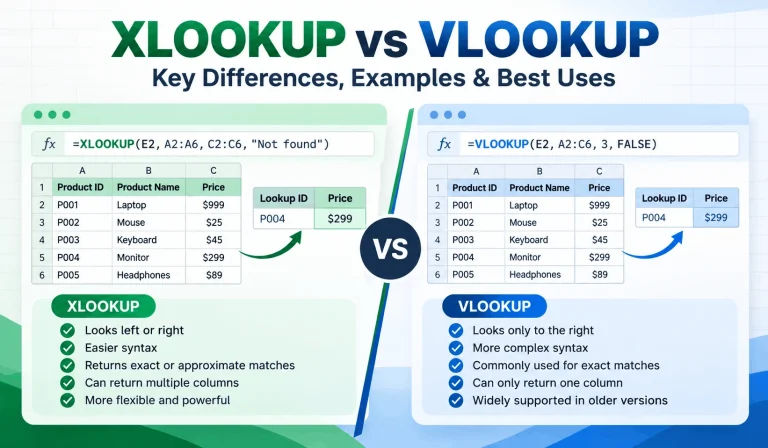
Finding one piece of information in a spreadsheet shouldn’t feel like searching for a needle in a digital haystack. Yet […]
Read article →
Ever spent 20 minutes searching for an AI conversation that took only two minutes to write? You’re not alone in […]
Read article →
Thinking about changing your hair color but worried you might regret it? We’ve all seen a gorgeous hair shade on […]
Read article →