
XLOOKUP vs VLOOKUP: Key Differences, Examples, and Which One Is Better?
Finding one piece of information in a spreadsheet shouldn’t feel like searching for a needle in a digital haystack. Yet […]
Read article →Songtell is useful when you want a quick AI-assisted explanation of a song, but it is not the only way […]

Songtell is useful when you want a quick AI-assisted explanation of a song, but it is not the only way to understand lyrics, research an artist’s intent, or identify a track you cannot name. The best Songtell alternatives approach the job from different angles: community annotations, licensed synchronized lyrics, editorial song histories, audio recognition, and music-analysis tools.
This guide compares the strongest options for listeners, students, writers, and music fans. It also explains when an AI interpretation is helpful, when a human-edited source is more reliable, and how to verify a claim before quoting it in academic or published work.
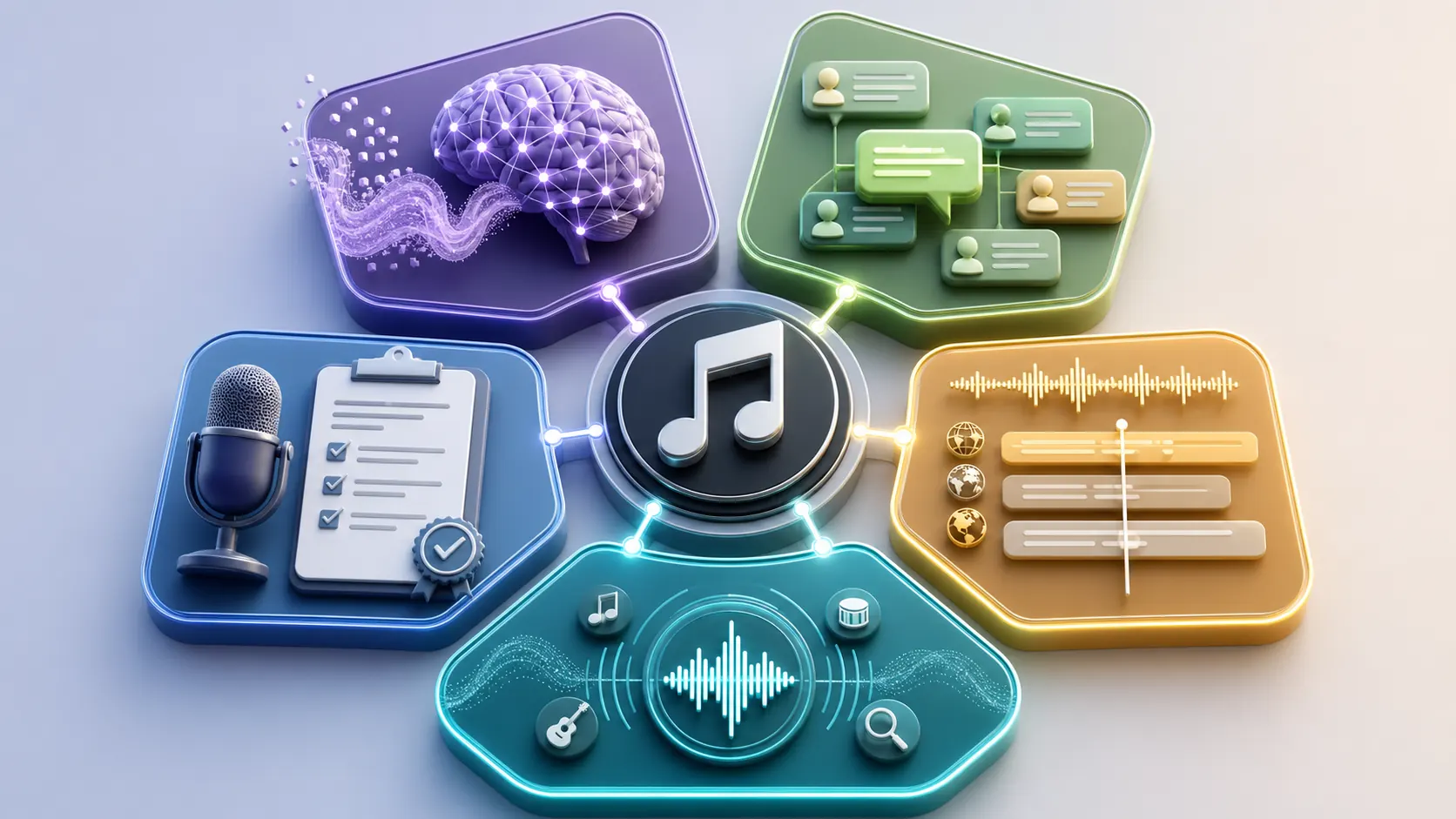
Songtell presents AI-generated song analysis in a readable format. Its pages can include themes, a short interpretation, selected lyric highlights, an emotional arc, and questions that encourage further thought. It can be a convenient starting point when a song feels symbolic or when you want several possible readings before forming your own view.
The limitation is the same one that affects any automated interpretation: a confident explanation is not necessarily the songwriter’s confirmed intention. Lyrics can be ambiguous, autobiographical, fictional, ironic, or shaped by cultural references that an automated system may miss. That is why the most useful alternative depends on the question you are trying to answer.
| Alternative | Best for | Main strength | Important limitation |
|---|---|---|---|
| Genius | Lyric interpretation | Line-by-line annotations and community context | Annotation quality varies |
| Musixmatch | Following lyrics | Licensed synchronized lyrics and translations | Not every song has a detailed meaning guide |
| Songfacts | Song history | Editorial facts and interview-based background | Coverage varies by track and artist |
| Shazam | Song identification | Recognizes music playing around you | Identification is not interpretation |
| SONOTELLER | Audio analysis | AI-generated genres, moods, instruments, and themes | Machine analysis still requires human verification |
Genius is the strongest general alternative when you want to examine individual lines rather than read one overall summary. Contributors annotate lyrics with explanations, references, samples, slang, interviews, and links to related material. Verified artists sometimes add their own notes, which can make an annotation especially valuable.
Genius works best as a research layer. Open the lyric page, read the annotation attached to a confusing line, and check whether the note cites an interview or another primary source. Popular tracks usually receive richer discussion than obscure releases. Because annotations are community-created, treat an uncited interpretation as a perspective, not settled fact.
Musixmatch focuses on the lyric-reading experience. Its catalog is widely used for synchronized lyrics, and many entries include translations. That makes it useful for listeners who want to follow a song in real time or compare the original wording with another language.
Choose Musixmatch when accuracy of the displayed lyric and timing matter more than a long interpretive essay. Translation can also reveal meanings that are lost when a listener relies only on a rough fan transcription. Even so, translation involves judgment, so idioms and culturally specific phrases may still need a native-language source.
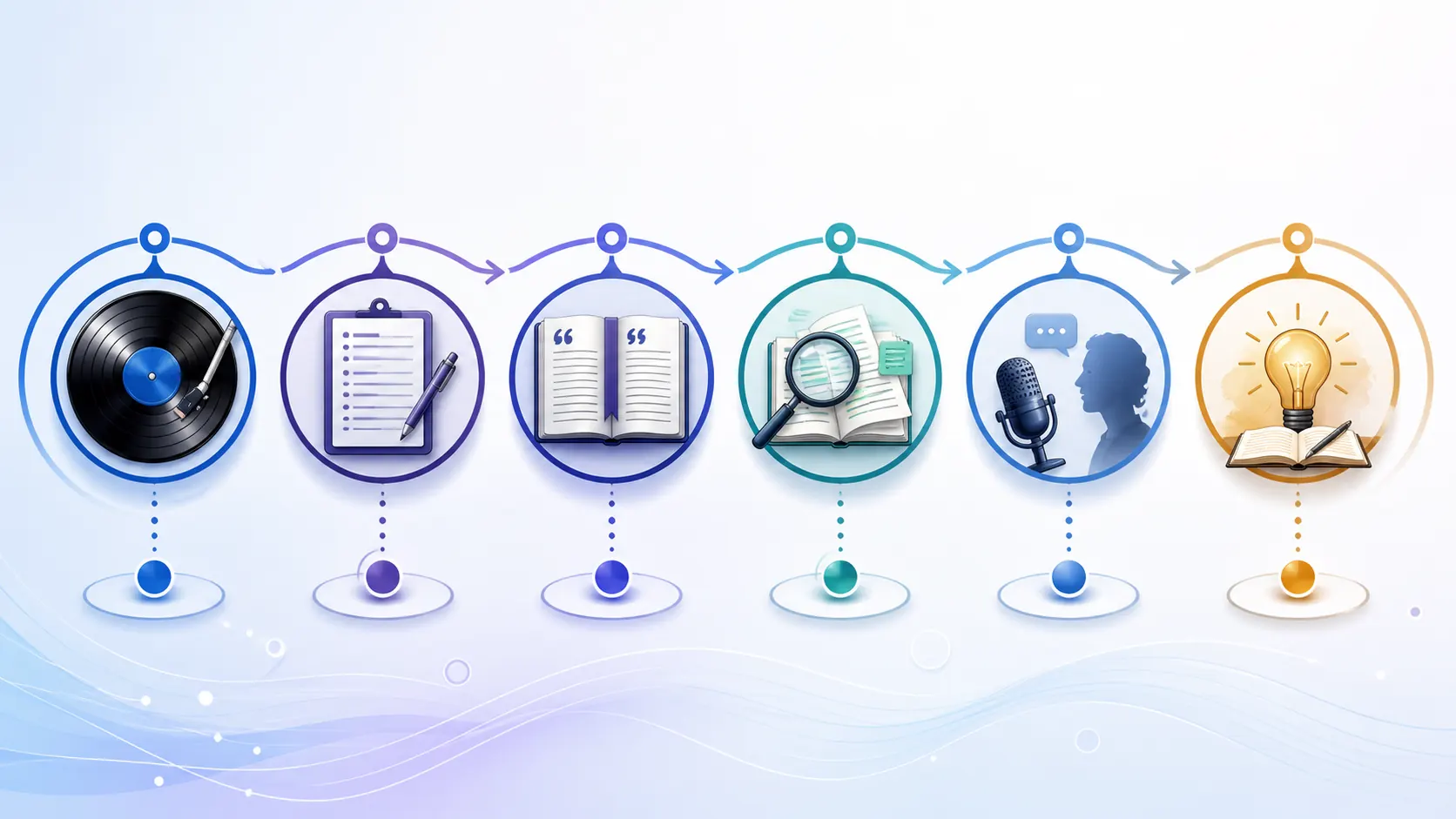
Songfacts is valuable when the real question is “What happened behind this song?” rather than “What might this metaphor mean?” Its pages often summarize songwriting context, recording details, chart history, and comments drawn from interviews.
This editorial approach can be more useful than an AI-generated interpretation when you need attributable background. Look for interview links and distinguish confirmed facts from anecdotes. Songfacts is particularly helpful for classic songs whose creation stories have been discussed by writers, producers, and performers over many years.
Shazam solves an earlier step in the research process. If music is playing in a café, video, shop, or television program and you do not know the title, identification must come before interpretation. Once Shazam returns a likely match, verify the artist and release, then open Genius, Musixmatch, Songfacts, or Songtell for deeper research.
It is not a direct lyrics-meaning service, but it belongs in this comparison because many searches begin with an unidentified recording. Remixes, live versions, background noise, and very short clips can affect results, so confirm the returned track against the audio you heard.
SONOTELLER analyzes the audio itself and can describe characteristics such as genre, mood, instruments, language, tempo-related attributes, and possible themes. This is useful for cataloging, playlist planning, music supervision, or getting a structured overview of a track.
Its purpose is broader than lyric explanation. The output can help you notice production features or classify a recording, but it should not be treated as definitive evidence of artistic intent. For important decisions, compare the machine output with credits, liner notes, official artist statements, and your own listening.
Start with your actual task. If one lyric line is confusing, Genius is usually the fastest place to look. If you need timed lyrics or a translation, choose Musixmatch. If you want the documented story behind a song, check Songfacts. If you do not know the song title, begin with Shazam. If you need descriptive audio metadata, try SONOTELLER.
For careful research, combine two or three sources. An efficient workflow is: confirm the exact recording, read the lyrics, review annotations, search for an artist or songwriter interview, and only then use an AI interpretation to explore additional possibilities. This method reduces the chance of repeating a plausible-sounding but unsupported claim.
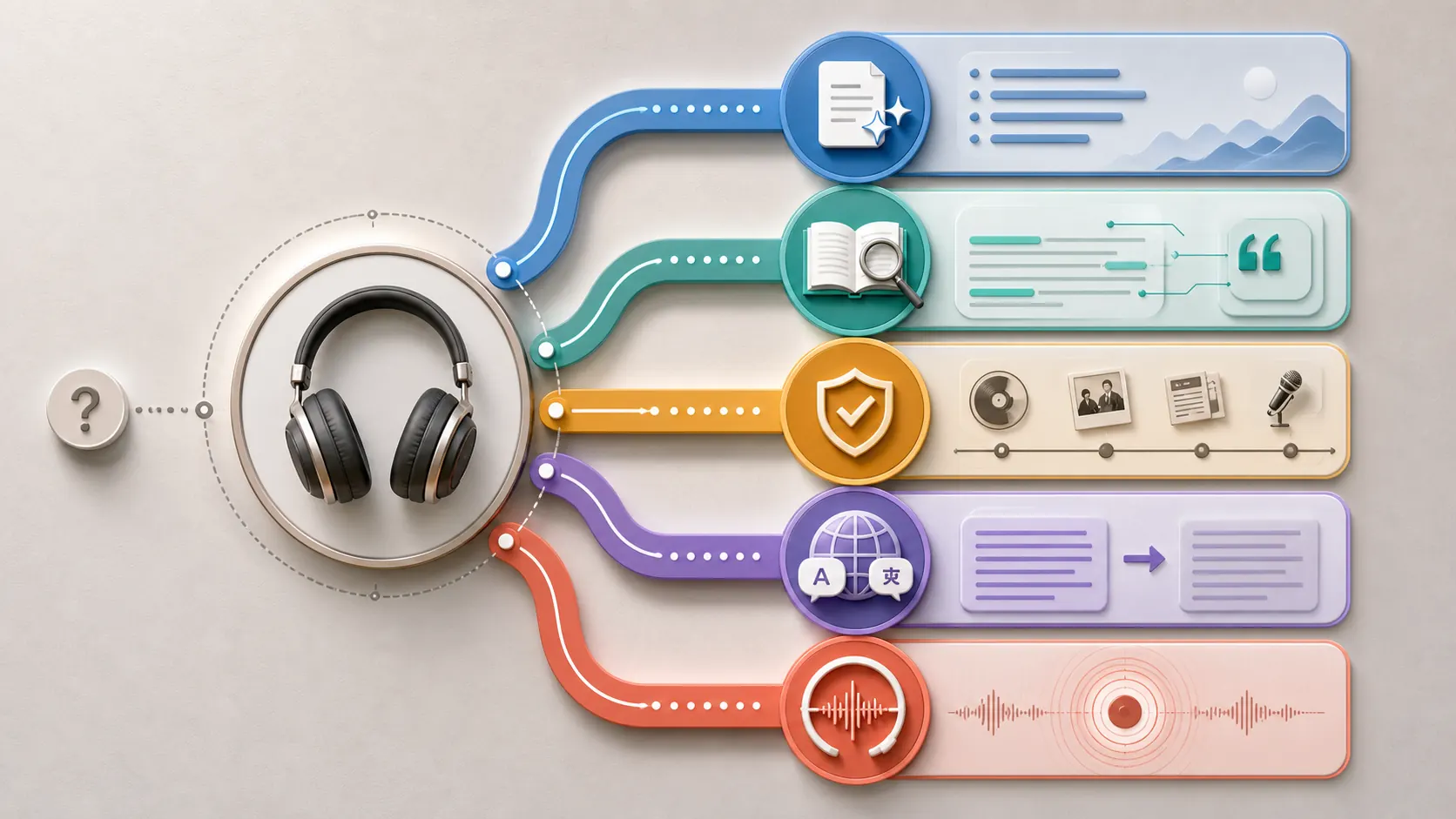
Song meanings are not always objectively verifiable. Separate three kinds of information: confirmed statements from the artist, contextual facts supported by reliable sources, and interpretation. Labeling them correctly makes an article, assignment, or discussion more trustworthy.
Also consider what you upload or search. Avoid submitting unreleased music, private recordings, or copyrighted files to an unfamiliar service without reading its current terms and privacy policy. Lyrics are copyrighted text, so quote only what is necessary and link readers to an authorized source rather than reproducing an entire song.
If you are exploring other research assistants, compare the citation behavior of Perplexity and the source-grounded workflow of NotebookLM. You can also browse the AI Help Tip directory guide for a structured way to evaluate AI services.
There is no single winner for every listener. Genius is the most complete replacement for people who primarily want lyric interpretation and cultural context. Musixmatch is better for synchronized reading and translations, while Songfacts is stronger for documented background. Shazam and SONOTELLER solve adjacent problems that often appear in the same research journey.
Use AI-generated song analysis as a starting point, not the final authority. The best result comes from comparing the lyric, the recording, credible interviews, and more than one interpretation.
Genius is a strong free starting point for community annotations and line-by-line context. Musixmatch is useful when your priority is synchronized lyrics or translations. Availability and account requirements can change, so check each service’s current terms.
They can suggest reasonable interpretations, but they may miss irony, personal history, cultural context, or a songwriter’s intended ambiguity. Verify important claims with interviews, official notes, and reputable editorial sources.
Musixmatch is designed around lyrics and commonly provides translations alongside synchronized text. For idioms or sensitive wording, compare the translation with a native-language source.
Shazam primarily identifies a recording. After finding the title and artist, use an annotation, lyric, editorial, or AI-analysis service to research the song’s meaning.
Follow your institution’s citation rules and treat an AI interpretation as a secondary source. Whenever possible, cite the lyric’s authorized publication, an artist interview, scholarly analysis, or another traceable primary source.
Finding one piece of information in a spreadsheet shouldn’t feel like searching for a needle in a digital haystack. Yet […]
Read article →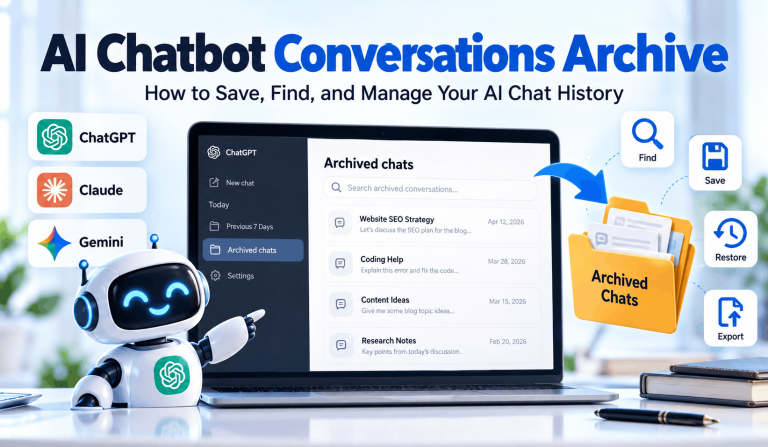
Ever spent 20 minutes searching for an AI conversation that took only two minutes to write? You’re not alone in […]
Read article →
Thinking about changing your hair color but worried you might regret it? We’ve all seen a gorgeous hair shade on […]
Read article →